






















Grading · Slabs and the market
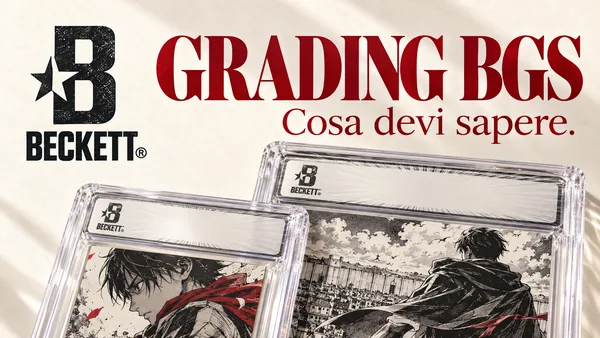
BGS grading: what you need to know.
Read the label, explore the grades and learn to inspect the book before submitting it.
Read the guide FIRST PRINTINGMANGA.
Before the legend, there was volume one. Discover where it all began.
First printings, counterfeits, grading and the market: practical guides to keep close.
Read the label, explore the grades and learn to inspect the book before submitting it.
Read the guide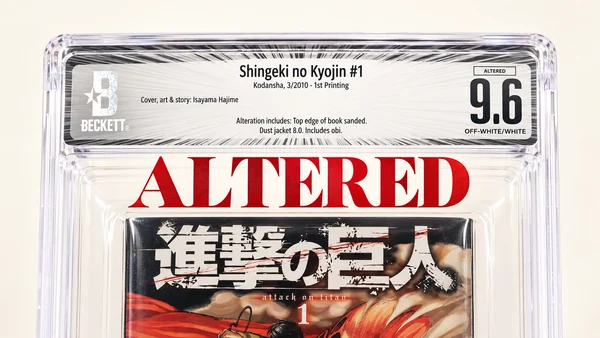
Eight slabs, eight interventions to understand. Learn to read BGS notes and see how much they can matter to the price.
Read the guide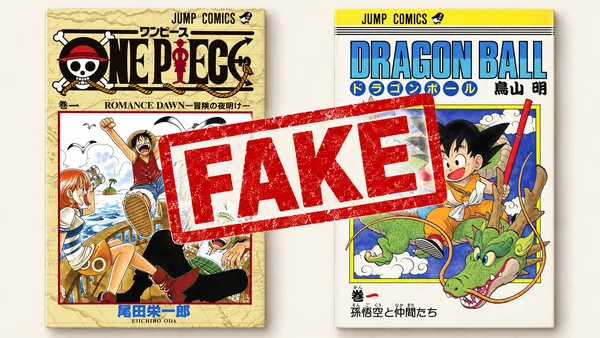
38 photographs, zoomable comparisons and sources: inspect the details before buying.
Read the guide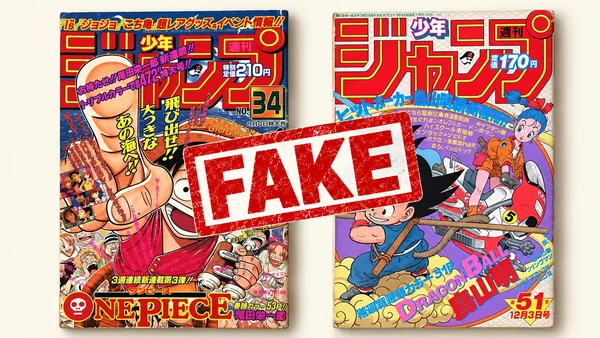
40 first-appearance photographs, issue-specific checkpoints and official facsimiles explained.
Read the guide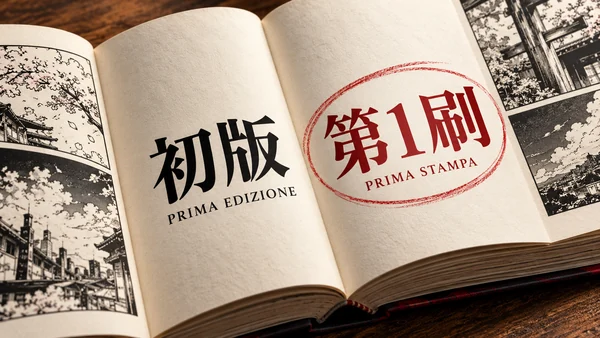
Colophons, dates, obi and inserts: archive photographs to help identify the copy you are buying.
Read the guide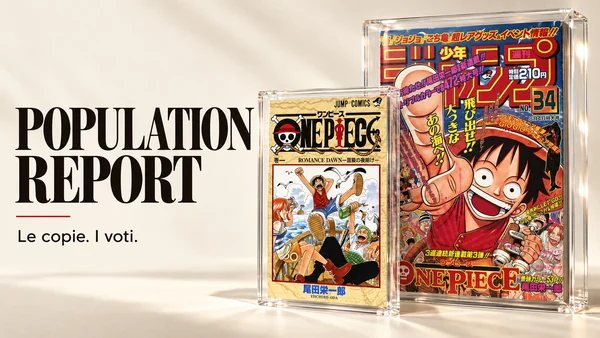
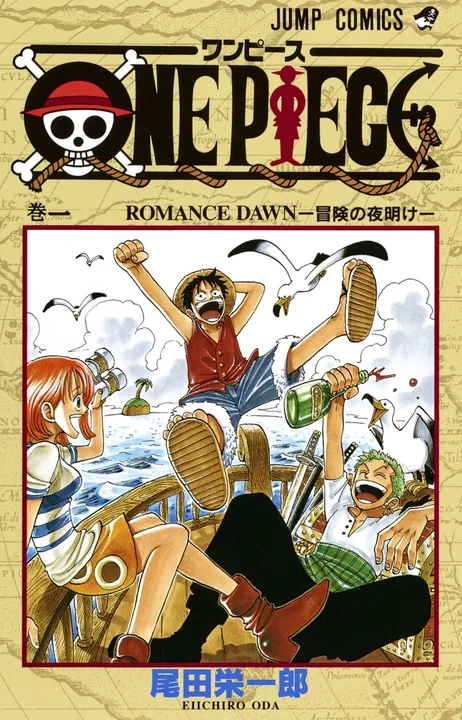
Find the POP, read the grades and understand “POP 1”. A video and One Piece example, with data and sources.
Read the guide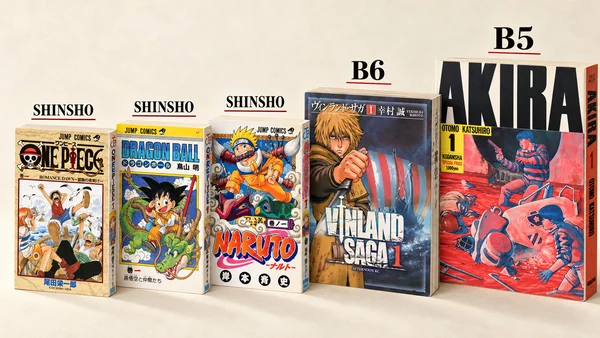
Books and magazines, sizes and editions: a practical guide to understanding your manga and choosing protective sleeves.
Read the guideNew releases and great manga: creators, history and the market.
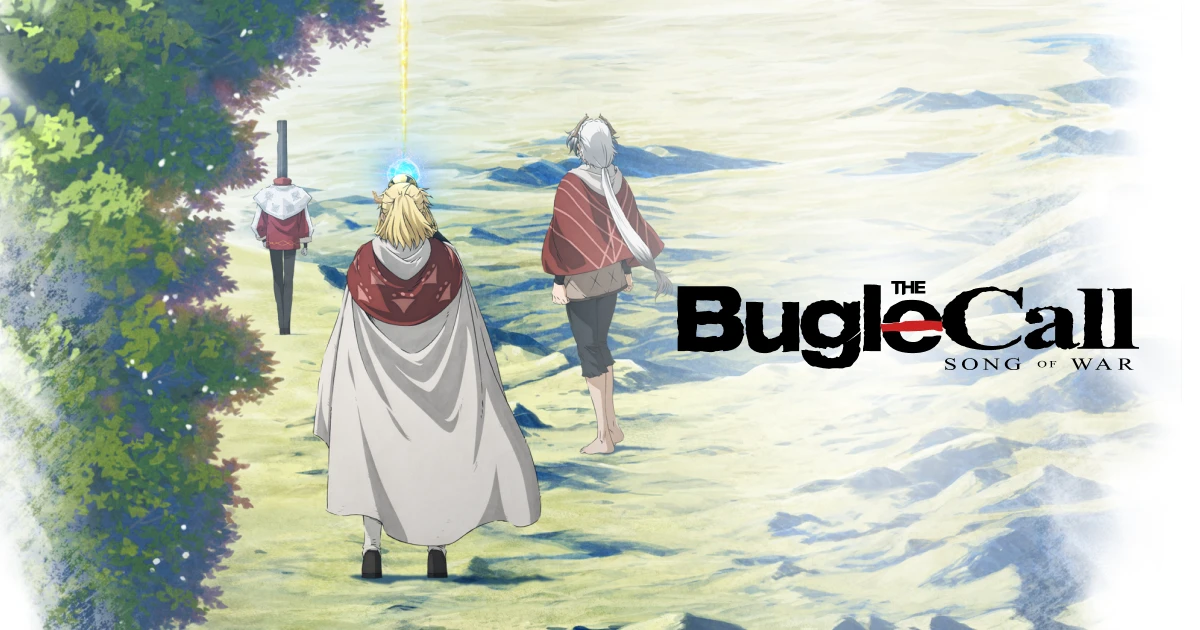
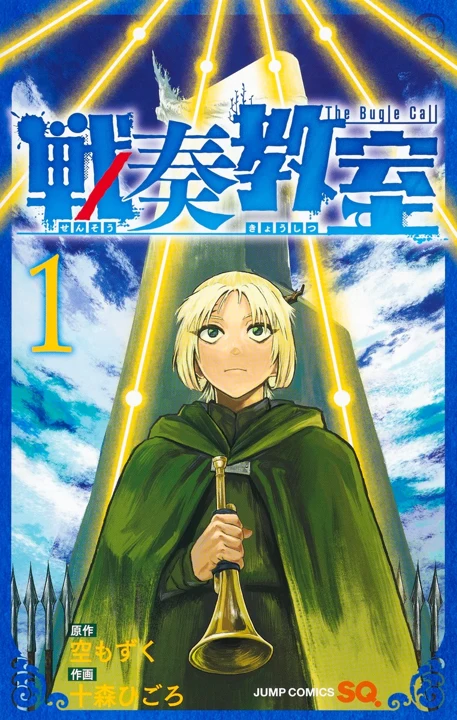
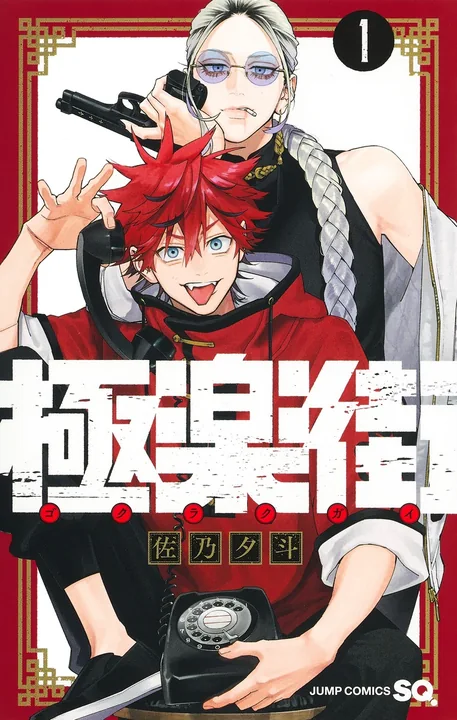
A boy who sees music — and uses it to conduct a war. The Bugle Call, its 2027 anime and two beginnings to collect: Jump SQ. and the first volume with obi.
Read the article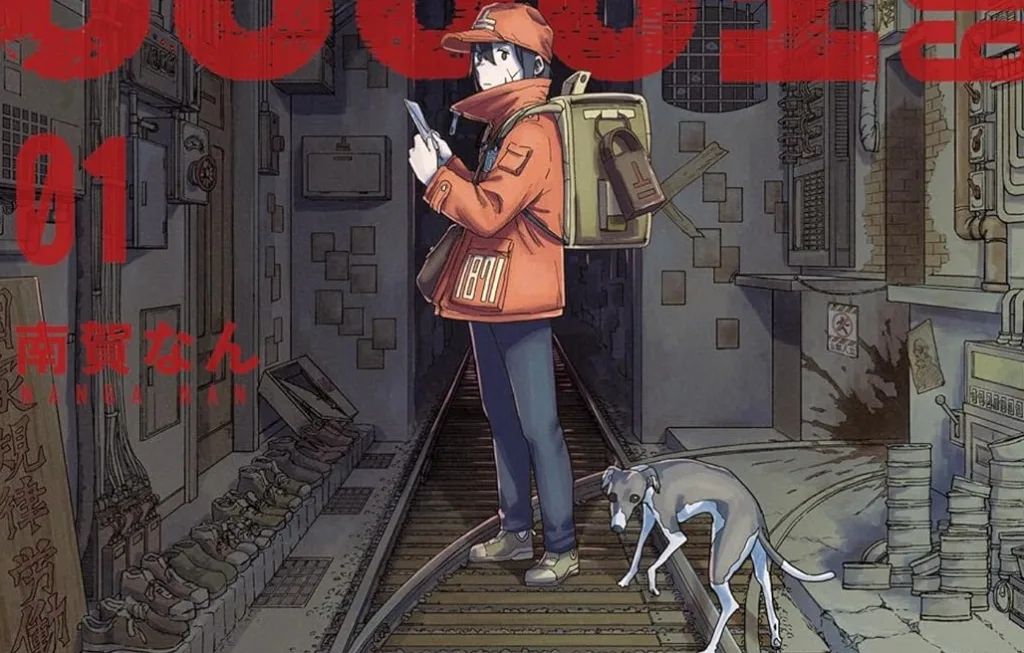
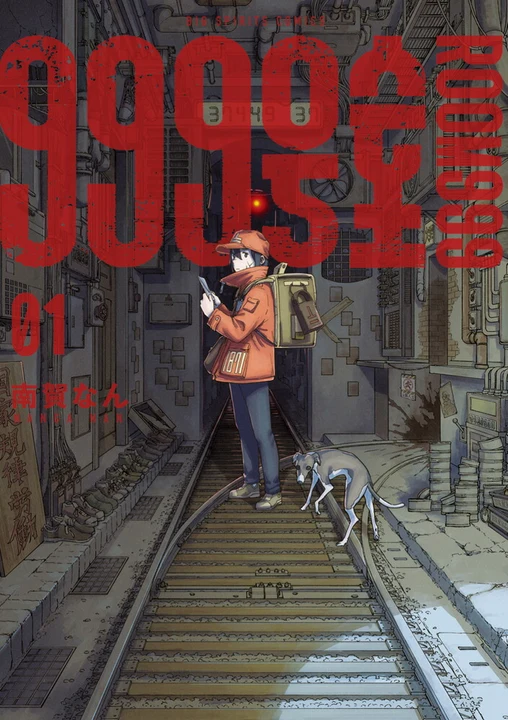
A postal worker, an endless building and a world to unravel. Nanga Nan’s Room 999, its early reprints and the obi featuring Urasawa, Asano and Ōwara.
Read the article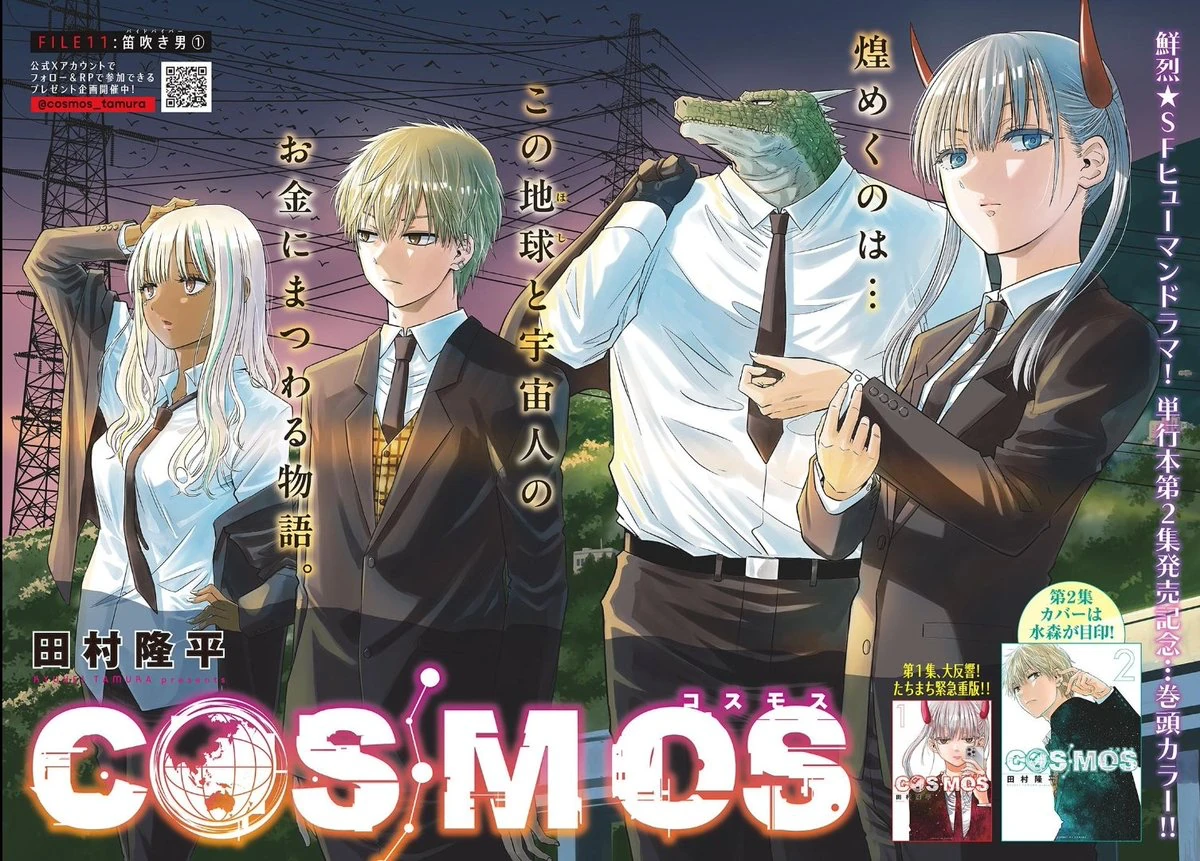
Aliens, lies and insurance. Discover Ryuhei Tamura’s COSMOS, its award wins and Japan’s first printing of volume 1 with the original Tite Kubo obi.
Read the article
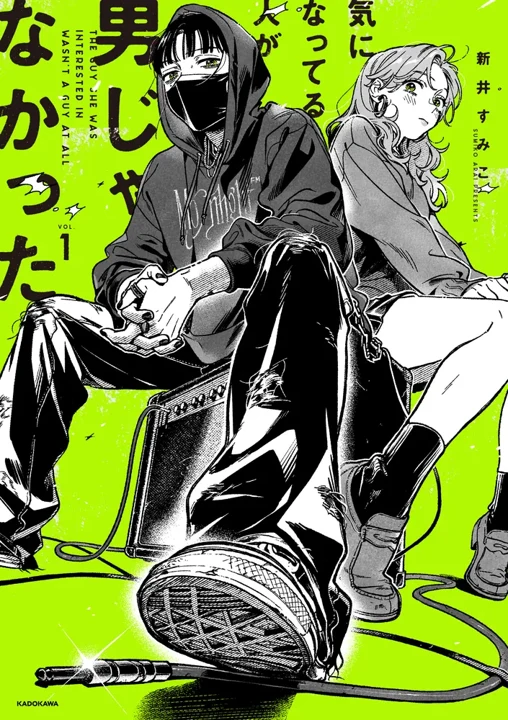
Sumiko Arai, rock music and a misunderstanding that became a phenomenon. US sales, the CloverWorks anime and Japan’s first volume with its 850,000-follower obi.
Read the article
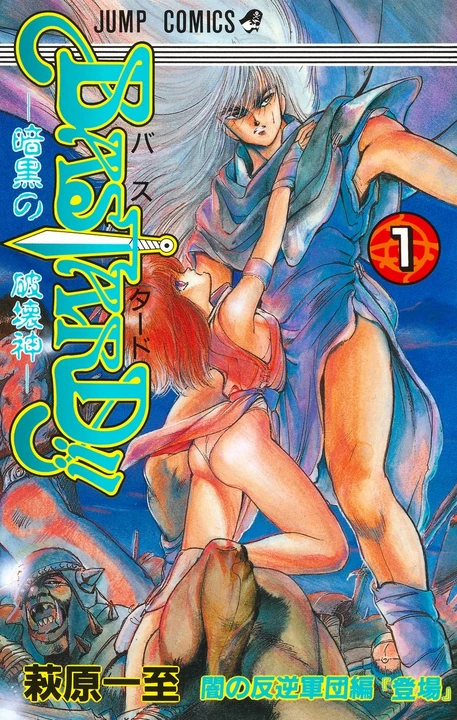
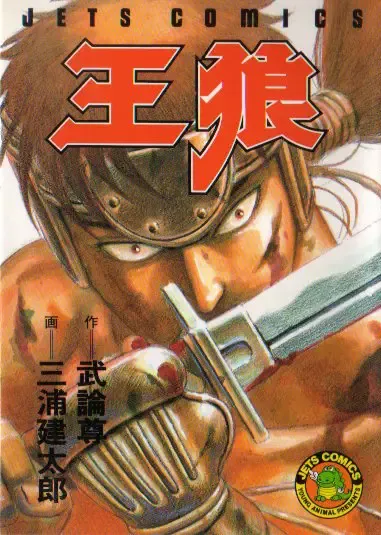
An acclaimed masterpiece. A first printing waiting to be rediscovered? Vagabond, Berserk and Vinland Saga through the eyes of readers and collectors.
Read the article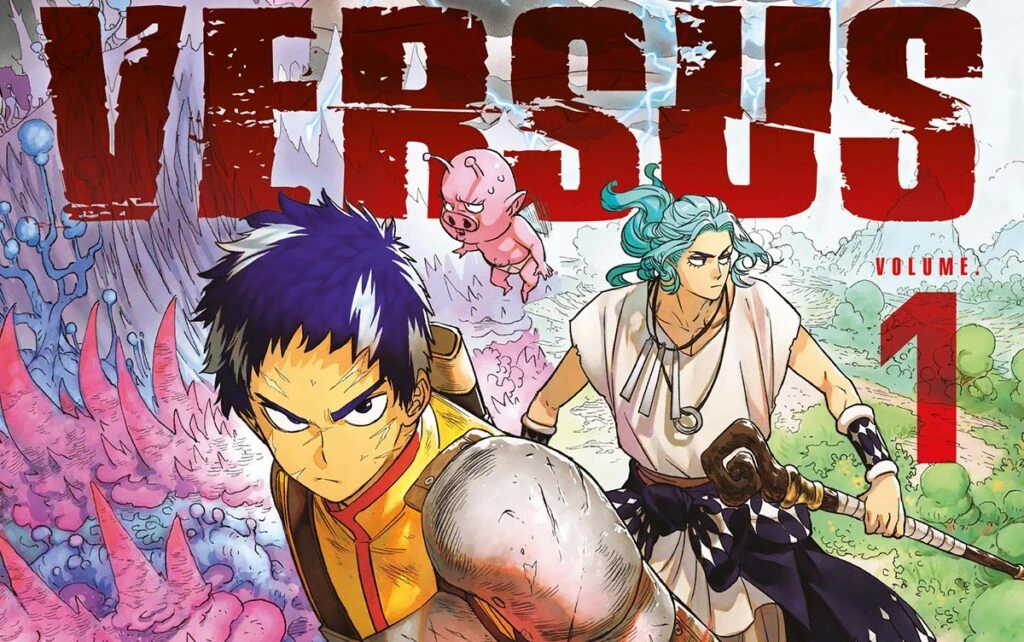
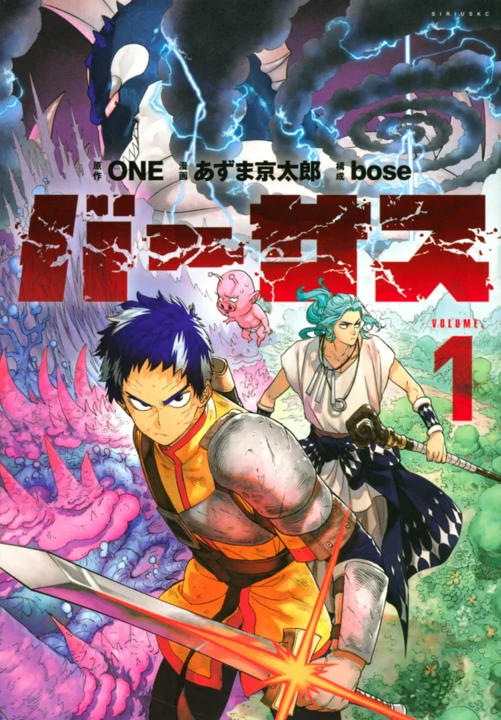
Thirteen worlds. Humanity cannot win alone. Exploring ONE’s manga, its Kodansha award, anime potential and first Japanese volume with obi.
Read the article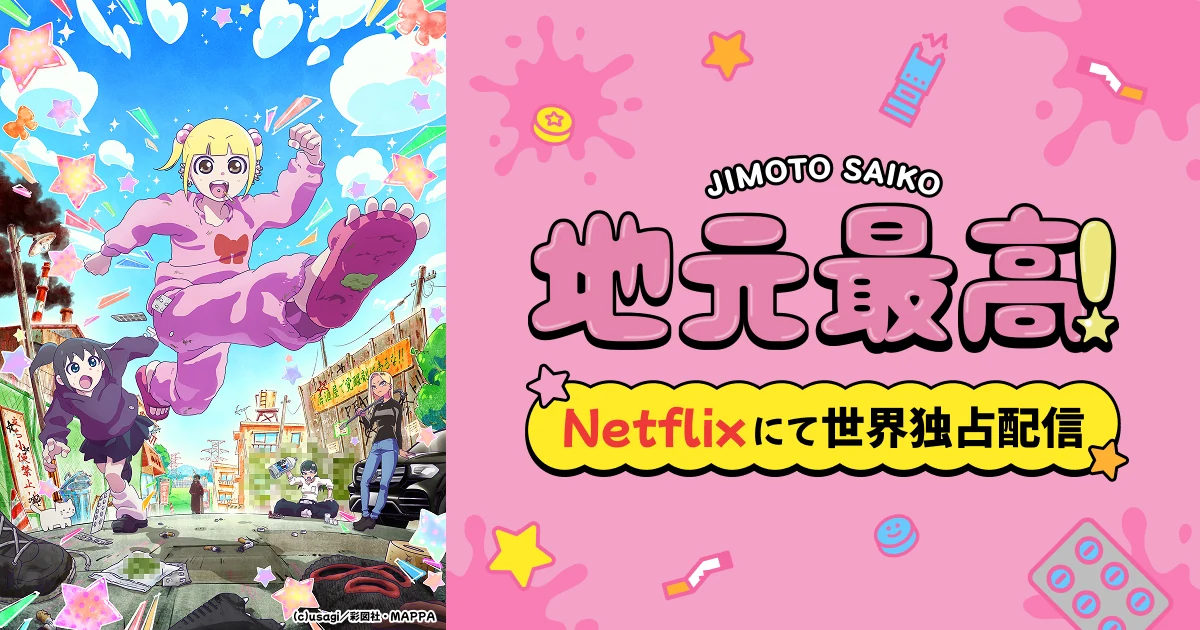
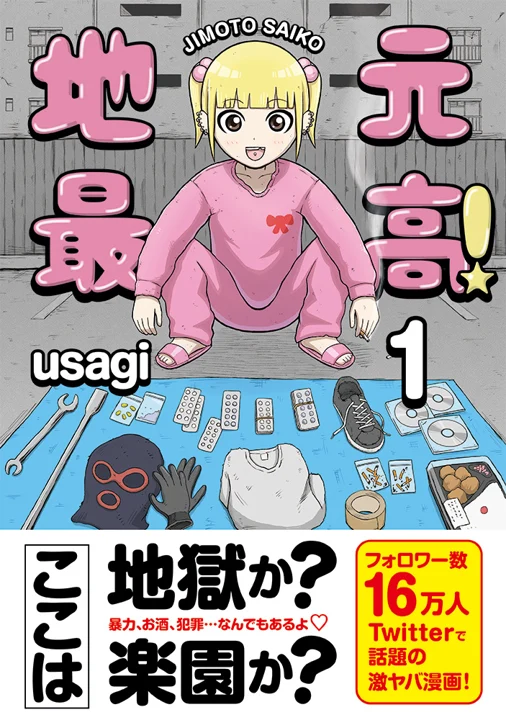
Meet Chanel-chan, explore a neighborhood out of control, and discover the manga behind MAPPA’s Netflix anime — including Japan’s first volume and its obi.
Read the articleWhere to start and what to know before collecting first-print manga.
37 answers, one question at a timeStart with a story you love, choose the edition you want and set a budget. Before buying, learn to recognise the colophon, dust jacket and obi: knowing what you are looking for matters more than rushing to find a bargain.
The Quick Start introduces the archive, resources and sales database. Then open your title in the Archive and compare its reference photographs with the seller’s copy. Your first purchase does not need to be expensive or graded.
A first edition is the first published version of a work in a particular market and format. A first printing is the first production run of that edition. A first edition can remain in print for years through many reprints, sometimes with the same cover.
A new edition can have its own first printing without being the work’s original publication. Check the imprint, publisher and colophon to identify the one you want. The first-print guide explains this with photographs.
Read the colophon, the publication information page, usually near the end of the book. 第1刷 and 第一刷 mean first printing; 初版 means first edition. Read them alongside every other line in the printing history.
A reprint often retains the original date and adds the date of a later printing. Counting dates is not enough: some refer to serialisation or other events. See the Japanese terms to recognise and photographed examples with one or more dates.
An obi is the paper band wrapped around part of a volume. It is separate from the dust jacket, the removable outer cover. Many bands were discarded: finding the correct one, intact and with any original coupon, can make a copy more desirable.
The higher price is often called an obi premium, but there is no fixed percentage. It depends on the title, condition and sales being compared. Explore an example in the BGS guide, or filter copies with and without obi in Graded prices.
Ask for photographs of the actual copy for sale: front, back and spine with and without its dust jacket; a readable colophon; page edges, corners and defects. If there is an obi, check both sides, folds and any coupon. Ask about inserts and any cleaning or repairs too.
For a graded copy, request the full label, central notes, certification number and holder condition. A single front photograph cannot answer all this. Use the buying checklist and the book-condition checks.
Compare completed sales of genuinely comparable copies: the same edition and printing, condition, obi, completeness and any alterations. An asking price does not prove that someone paid it. Check the sale date, currency and which costs are included too.
For a raw book, start with raw comparisons; a graded copy’s price does not automatically apply to the book in your hands. Use Graded prices to examine BGS sales and individual transaction details. The guide to condition and price helps put them in context.
No: an unchanged reprint can keep the same ISBN. The code helps identify the edition, not the printing of an individual copy. Identical covers can also belong to different printings.
Use the ISBN, publisher and imprint to locate the right edition, then check a photograph of the colophon. A barcode alone does not establish a copy’s printing.
An authorised reprint is an authentic book, but it is not a first printing. “First reprint” is used for the first subsequent print run: it does not change the colophon. Do not pay a premium just because a listing uses that phrase.
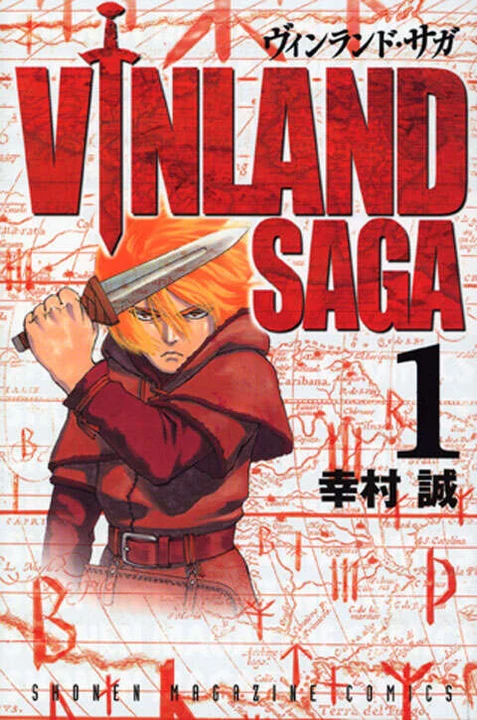
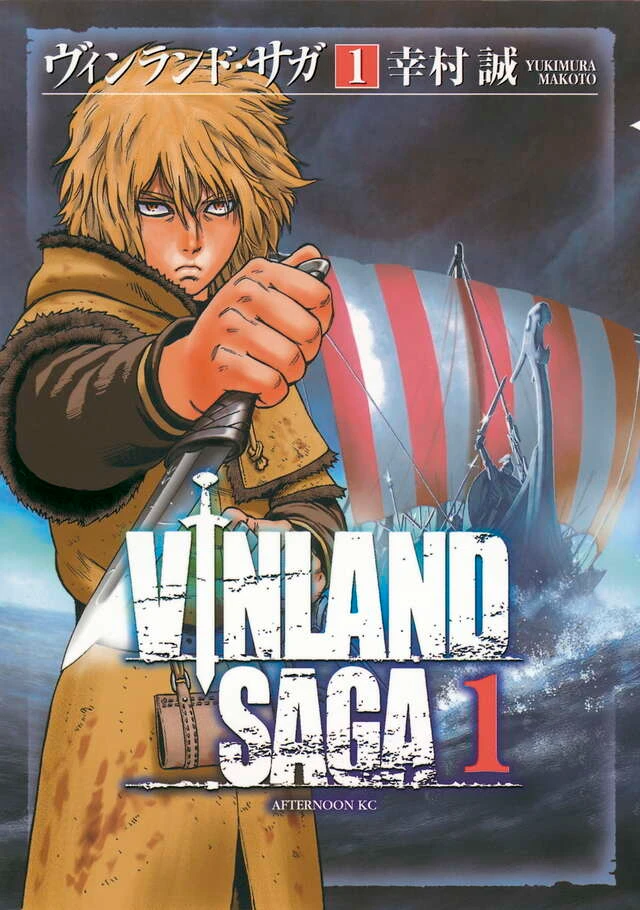
Many collectors seek the first printing, but that does not make every reprint worthless or uninteresting. Distinguish new editions as well: Vinland Saga 2005 and Vinland Saga 2006 are different editions, each with its own first printing.
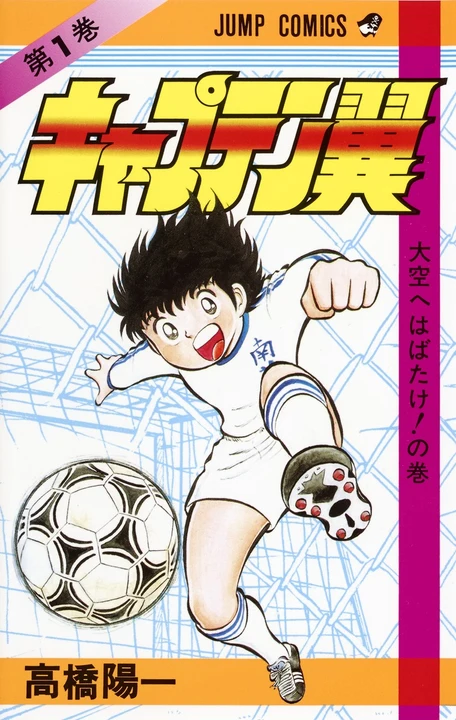
No. Some editions were released without a band, so its absence does not make those copies incomplete. For example, our archive classifies Captain Tsubasa 1 as an edition without obi.
Check the exact edition. The Archive classification concerns the edition; a photograph without a band may simply show a copy that has lost it. One photograph is not evidence that an edition was originally released without an obi.
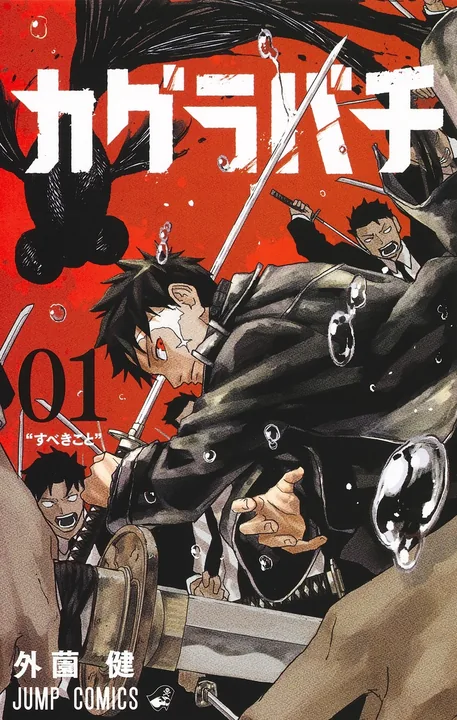
Not necessarily. The same band design may be used for later printings. Our Kagurabachi 1 entry flags this issue: recognising the obi does not replace reading the colophon.
Check the book and band separately. The first-print guide also shows cases where the band changes, helping explain why the cover alone is not enough.
Yes: the book and obi are separate components and may have been paired later. The colophon can confirm the book’s first printing without confirming that its band is correct for that release.
Compare promotional text, colours, price, folds and coupons with references for the edition. Ask for complete photographs, not just the front. The guide includes a comparison of launch and later obi. “With obi” alone does not settle this check.
A band can look complete from the front while a coupon is missing from the back or flap. The presence of an obi does not mean it is intact: a removed coupon changes the copy’s completeness and can affect its appeal to collectors.
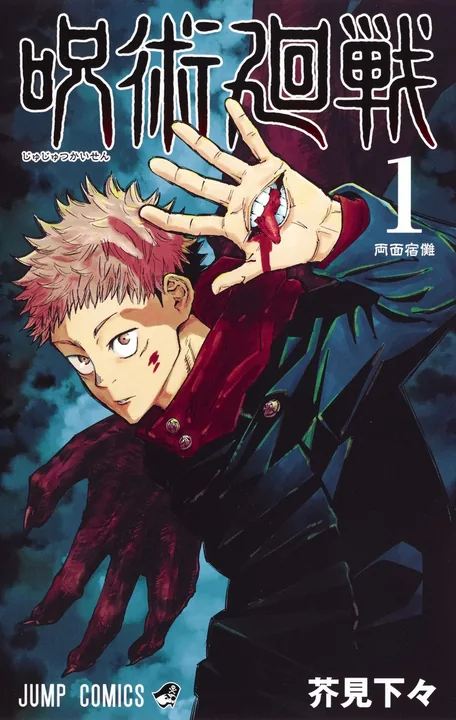
Ask for photographs of the entire band without forcing fragile folds, and check the expected shape for that edition. See examples in the Jujutsu Kaisen and Vagabond entries.
They can matter a great deal to collectors seeking a complete copy. They do not prove first-print status on their own: inserts can be lost or paired with another copy too. Check what was included with that specific release.
Collector completeness and grading criteria are not necessarily the same. Before submitting a book, ask the grader which accessories it accepts, assesses or returns. The section on inserts includes a photographed example and practical checks.
A tankōbon is a standalone volume, often collecting chapters. A zasshi is a magazine: it may contain several series, advertisements and supplements. The magazine carrying a manga’s debut and its volume one are different collectibles.
Identify a magazine by its publication title, year and issue; for a volume, check the edition and printing too. Not every story debuts on paper: some begin online. The formats guide separates publication type, dimensions and edition.
No: some terms describe dimensions, while others describe an edition. Shinsho and B6 are format references; kanzenban describes a “complete” edition, not a universal size. Magazines can vary widely in size too.
For example, the original first volumes of One Piece and Dragon Ball are classified as shinsho, while Vinland Saga 2006 is B6. The illustrated formats guide provides examples, nominal measurements and explanations. Before buying a sleeve, measure your actual copy, including its thickness.
They offer two ways to approach the beginning of a story. Volume one preserves its first collection; a magazine may hold its debut. Some collectors seek a favourite work, others a cover or a complete copy that has survived in beautiful condition.
You can start with what moves you, without needing a promise of rising prices. Our Manifesto explains our perspective; the Archive lets you explore editions and choose with a better understanding of them.
No: “first printing” identifies a production run, not how many copies survive. Availability depends on the title, period, print run and preservation. A relatively common book may still be hard to find with the correct obi, intact coupon and exceptional condition.
“POP 1” does not mean that only one copy exists worldwide either: it refers to a result in a grader’s census. The guide to reading population data explains what those numbers can and cannot establish.
No. Plastic wrapping proves neither printing nor condition. A shop may have wrapped the book, or someone may have resealed it; defects can remain underneath. A sticker or packaging detail is useful only when documented for that exact release.
For magazines, especially vintage issues, do not assume an original publisher seal. If you cannot read the colophon or see the pages, part of the copy remains unverified. Start with the pre-purchase checks.
Compare the copy with documented references for the same edition, examining the jacket, bare book, spine, colophon and interior printing. Useful differences vary by case: an isolated colour or line is not a universal test.
The counterfeit tankōbon guide explains photographic comparisons, particularly for One Piece and Dragon Ball, and distinguishes documented cases from reports without comparable evidence. If the photographs do not show the detail you need, ask for more before drawing a conclusion.
Yes, counterfeits of specific manga magazine issues have been documented. Checks may concern the cover, spine, trimming, pages and print details, but they must match the exact issue. A centring difference alone may not be enough.
The counterfeit zasshi guide collects comparisons for issues associated with Dragon Ball, Naruto, Hunter × Hunter, One Piece and Attack on Titan. It also distinguishes counterfeits from declared facsimiles: a reproduction should not be sold as the historical original.
Raw describes a copy that is not encapsulated with a grading assessment. A graded manga has been examined and assessed by a grading company; the slab is the rigid holder containing it and its label.
Do not stop at the largest number: a BGS label also contains information about the dust jacket, pages, obi and any reported interventions. The BGS slab guide explains how to read these elements together.
It can make sense, but profit is not automatic. Assess the actual condition, allow for a lower grade or an alteration finding, and add the purchase price, grading, shipping and other applicable costs. A high-grade sale is not the guaranteed proceeds from your copy.
Inspect the bare book first: creases, indentations, stains and tears can change the outcome substantially. Compare several grade scenarios in the BGS guide and completed sales in Graded prices.
Our price database records sales of BGS-graded manga, so the guides pay particular attention to its system. Other providers also offer services for manga, including EGC and GRAAD.
Grades from different companies are not automatically equivalent. Before choosing a service, check accepted formats, criteria, accessory handling, costs and terms. The BGS guide links to the relevant companies.
BGS distinguishes the book grade, dust-jacket grade and page quality. These describe different things: a high jacket grade does not replace the book grade. Obi presence is reported separately, alongside any notes about interventions.
Inspect the book’s front, back, spine, edges and pages, then the dust jacket and accessories. The BGS guide shows where to read these details and how they relate to one another.
The BGS manga scale reaches 10, Gem Mint. Its highest steps include 9.9, Mint and 9.8, Near Mint/Mint: these numbers are not interchangeable. The book and dust jacket can receive different grades.
Comparing 9.9 with a Black Label is a collector analogy, not the official manga grade name or a guaranteed price multiplier. Explore every grade in the interactive BGS scale; the high-grade discussion separates official terminology from market usage.
Gem Mint is the official BGS name for manga grade 10. Collectors also use “gem” for other thresholds, often 9.8 for tankōbon and 9 or above for zasshi, with differences by period and title. These are not additional official categories.
A gem rate is a percentage: the share of a sample reaching a chosen threshold. State the threshold, sample and date; it is not the chance that an arbitrary raw copy will receive that grade. Read more in the high-grade guide.
No: page quality is a description, separate from the book and dust-jacket grades. Labels may say White, Off-White or Cream, for example. Paper originally printed in colour in a magazine should not be confused with yellowing.
Two copies with the same book grade can therefore have different page quality. The BGS guide presents documented descriptions; in Graded prices you can use them as filters to find closer comparisons.
No: the obi is reported as included without its own numerical grade. That does not make its condition irrelevant to buyers. Check that it matches the edition, and examine tears, missing portions and any coupon.
A worn band may still interest collectors, but “obi included” does not mean “perfect obi”. The BGS guide’s obi section explains why presence, completeness and value need to be considered separately.
Altered and counterfeit are not synonyms. An authentic manga may have undergone interventions such as surface treatment or repair. BGS may still assign a grade while reporting the classification and intervention notes.
Read the exact wording: Altered, Conserved, Restored and Married are not interchangeable labels. Our database groups them under its alterations filter to make searching easier. The altered manga guide explains the differences and shows actual slab notes.
Read the entire label: the classification box, where present, and the small central notes near the dust-jacket and obi information. Looking only at the large grade can miss crucial information about the purchase.
An intervention can substantially reduce the price compared with similar copies, but there is no universal discount. The guide shows where to read the notes; the sales comparison helps assess their impact within the available sample.
Do not improvise a treatment to chase a higher grade. Working on the paper or surface can damage the book or be identified as an alteration, even if it initially looks better. Different interventions can have different effects and classifications.
Avoid experimenting with solvents, abrasives, adhesives or other products on a collectible copy. The alterations guide shows documented interventions and their BGS notes to help recognise them, not reproduce them.
The BGS Population Report lets you search a title and read recorded counts by grade and category. Check the volume, year, printing and notes: similarly named results may describe different objects.
The population report does not count every surviving copy or measure the rarity of raw books. “POP 1” also needs a category and consultation date to be meaningful. The video guide walks through the search and an example of reading the results.
The range summarises eligible sales medians grouped by grade and obi presence: it shows the lowest and highest group medians, not the cheapest and most expensive individual sales. It excludes copies flagged for alterations; editions without obi use no-obi sales.
The window covers three months. If there are no eligible recent sales, the summary uses the latest available historical window, stated on the entry. New database records cause the summary to be recalculated; this does not mean every new sale on the web has already been collected. Open Graded prices to inspect the transactions.
The summary shows only groups with eligible sales in the stated window. If there is no sale for a grade during that period, the grade may not appear. Without a usable sample, no valuation is invented.
This does not mean no copies exist at that grade or that the volume is worth nothing. In Graded prices, expand the period, select multiple grades and check obi and alteration filters. To count graded copies, use the population report instead.
Protect them from direct sunlight, heat, humidity and environmental swings. Handle them with clean, dry hands and avoid forcing the binding. Support ordinary books upright without compressing them; large or fragile magazines may need flat support, without heavy stacks.
Keep adhesives away from paper and bands, and do not force a book into a tight protector. A slab also needs suitable storage conditions. The guide to protective sleeves explains measurements, materials and practical precautions.
Measure the width, height and depth of the object you want to protect. For a raw book, include the dust jacket and obi; for a graded copy, measure the outside of the holder. BGS accepted-content size limits are not the slab’s exterior measurements.
Check the sleeve’s usable dimensions, allowing for seams, closure and room to insert it without force. Formulas are a starting point, not a guarantee of fit. See examples for raw books and a calculator for holders and shelf space.
Yes: collectors’ reports help the archive grow. To suggest a title, use “Missing a volume?”: enter the volume’s name and, optionally, a reference link. We do not ask for your personal name.
For a sale, use the report action on that specific row in Graded prices, so the reference stays precise. Reports help us check the information; they do not automatically change the catalogue or prices.
Still have a question?Ask the experienced collectors in our community.
Join the conversation